+86-18633235200+86-18633235200
E-Mail: weimeihuanbao@163.com
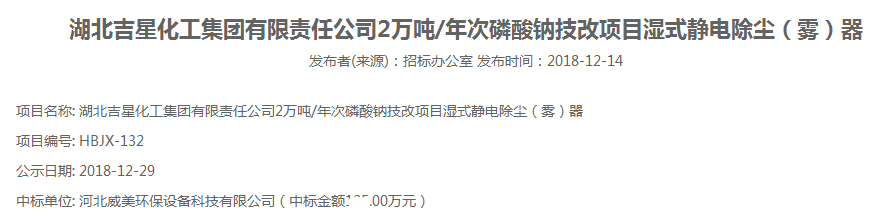
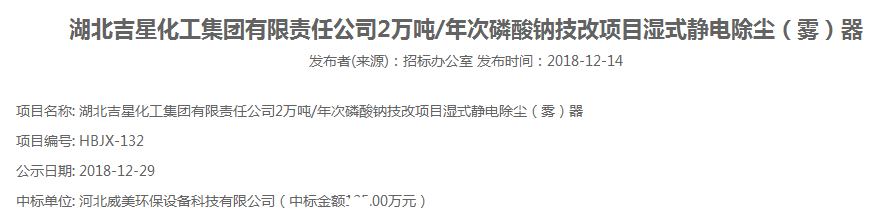
近日,河北威美環(huán)保中標湖北吉星化工集團有限責任公司2萬噸/年次磷酸鈉技改項目濕式靜電除霧器項目,以下網站公布的中標結果:

河北威美環(huán)保中標湖北吉星化工集團有限責任公司2萬噸/年次磷酸鈉濕式靜電除霧器技改項目

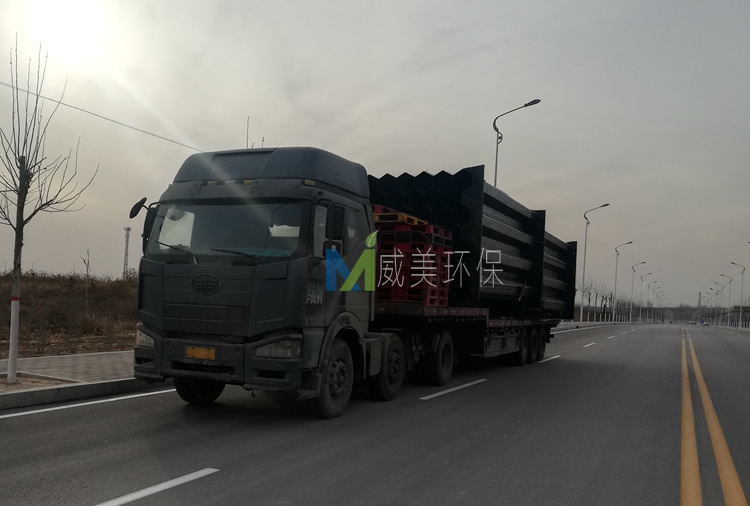
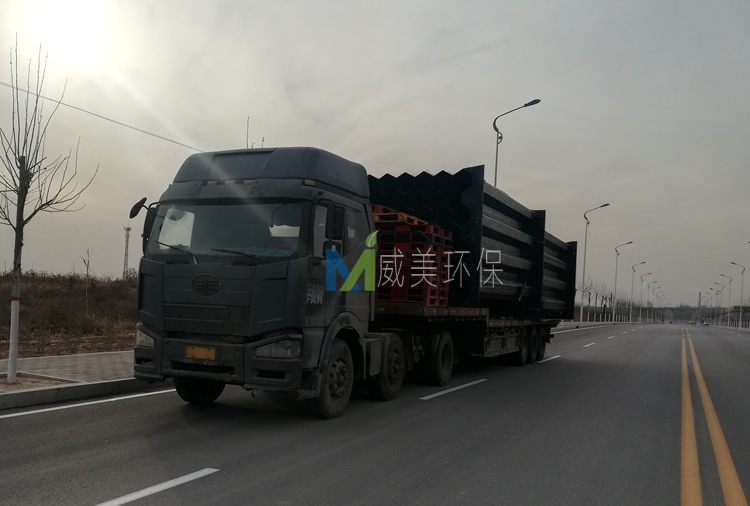
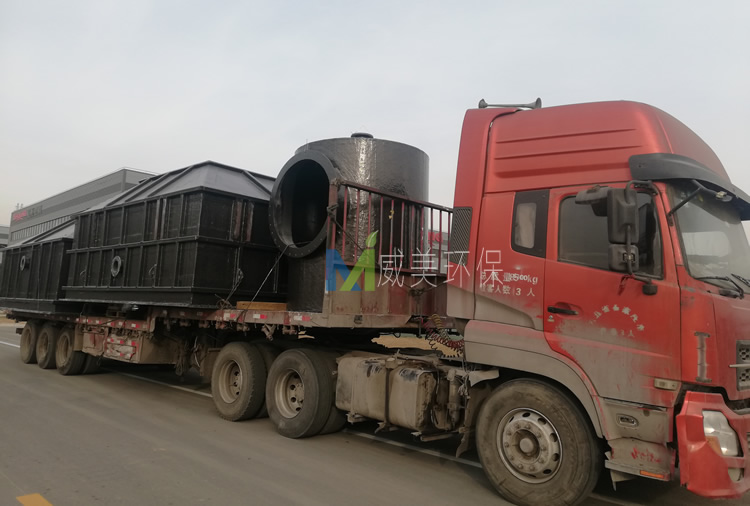
此次發(fā)貨的濕電是為河北一家集化肥、化工于一體的綜合性化工企業(yè)定制。該套濕式電除塵器應用于該公司2萬噸氰尿酸項目。河北威美負責高壓靜電除霧器的本體及其輔助設備系統的功能設計、制造、供貨、安裝及調試,該設備煙氣量25000m3/h,煙氣溫度 ≤60℃ ,設計流速0.5m/s。
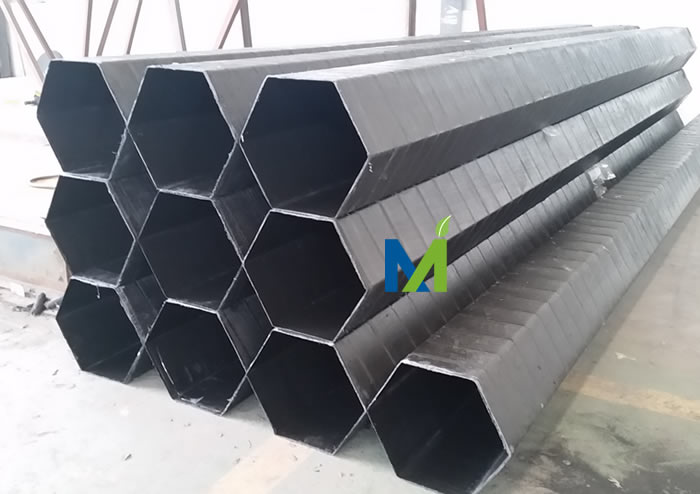
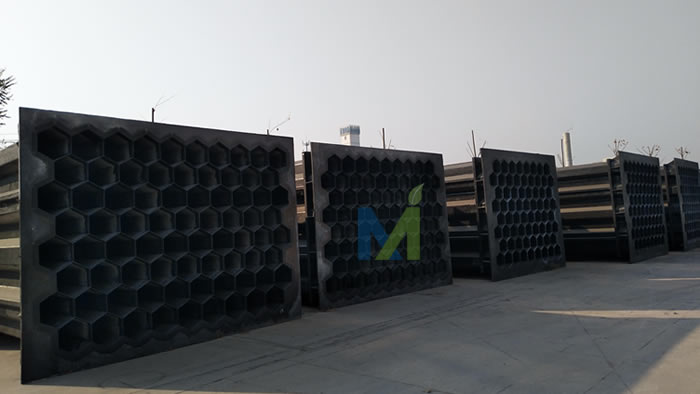
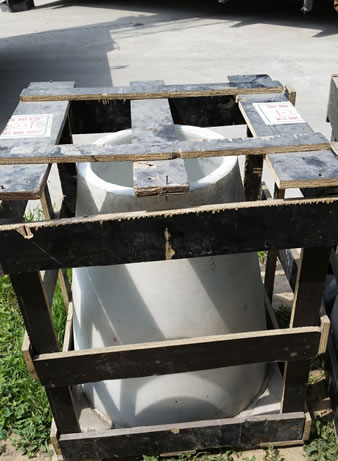
以下是氰尿酸煙氣深度凈化高壓靜電濕式電除塵器發(fā)貨現場圖,

氰尿酸煙氣深度凈化高壓靜電濕式除塵器陽極發(fā)貨

煙氣深度凈化高壓靜電濕式除塵器殼體及配件發(fā)貨

伴隨著秋冬供暖季的到來,對于大氣環(huán)境治理工作而言是一個大的挑戰(zhàn),而鍋爐治理是大氣污染治理的重要方面,是改善環(huán)境質量的重大民生工程。生物質鍋爐以成型的生物質顆粒為燃料,是一種具有壓力容器資質的鍋爐,生物質鍋爐直接燃用生物質燃料(樹木、秸稈、鋸末、稻殼、蔗渣等)的鍋爐,它所使用的燃燒設備其排放物燃燒產生的灰份約占燃料的1.5%左右,相比傳統燃煤方式來說,其污染排放量的降低度可以說是有幾倍之高。與此同時,其燃燒所用的材料也為可降解的木料、玉米桿、麥秸稈等天然物質,不僅能夠防止直接就地燃燒所造成的土地破壞,*大限度的能夠使其資源利用的恰到好處。另外,為了方便排灰,生物質鍋爐的后部一般都布置有螺旋出渣機,可以實現連續(xù)清灰的工作。
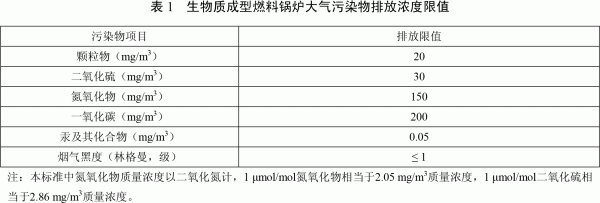
天津生物質成型燃料鍋爐大氣污染物排放濃度限值

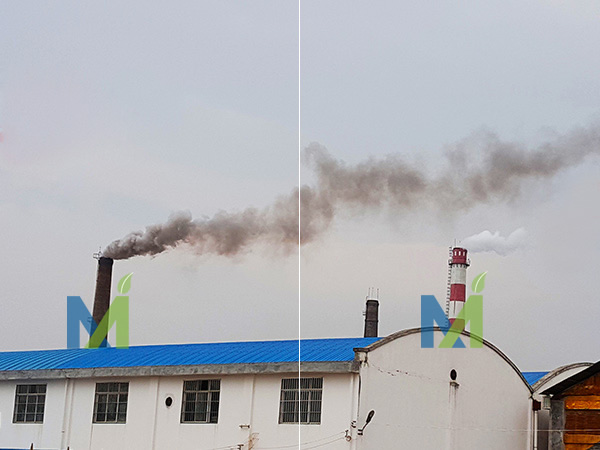
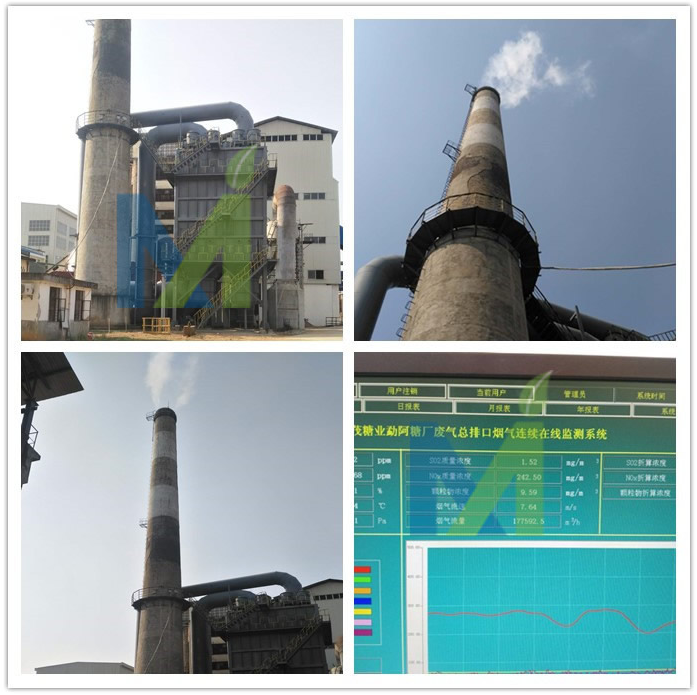
河北威美生物質鍋爐*低排放案例

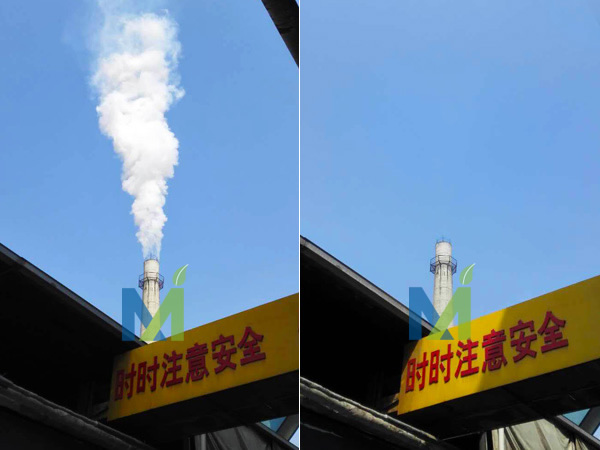
使用濕式靜電除塵器實現糖廠生物質鍋爐*低排放效果

第二臺使用濕式靜電除塵器實現糖廠生物質鍋爐*低排放效果
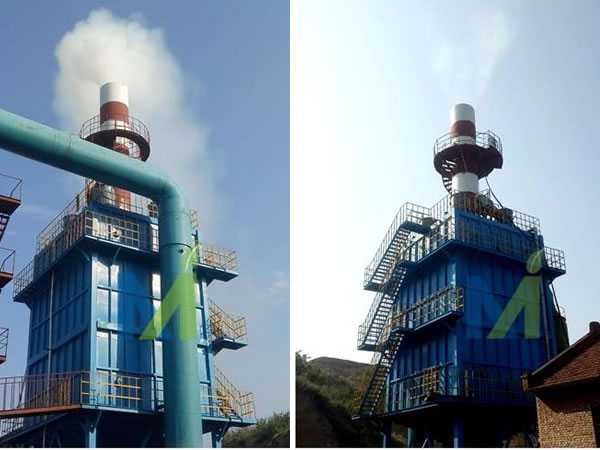
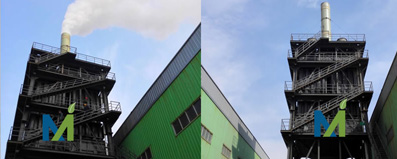
35t+45t糖廠鍋爐煙氣濕式靜電除塵器投入使用,煙氣量分別為11萬氣量和14萬氣量,進氣方式來下進上出,以下是來自現場的效果圖

糖廠鍋爐煙氣濕式電除塵器使用效果圖
Conductive FRP wet electrostatic precipitators are generally applied to flue gas purification in the environmental protection industry, as well as gas purification, mist elimination and dust removal in industries such as metallurgy, chemical engineering and petroleum.
Conductive FRP wet electrostatic precipitators boast the following features:

Features of Conductive FRP Wet Electrostatic Precipitators

河北威美環(huán)保設備科技有限公司,是專業(yè)從事工業(yè)大氣污染處理等領域的技術研究、產品生產和系統應用工程服務為一體的高新技術環(huán)保公司。主要從事電力、化工、冶金、礦山、建材、鑄造、煙草、鍋爐、瀝青水泥機械、糧食、機械加工、水泥等行業(yè)煙氣除塵、除灰、除霧等環(huán)保工程技術開發(fā)、咨詢;環(huán)保新設備、新工藝、新技術開發(fā)、推廣及相關技術服務;環(huán)保設備的制作、安裝、調試、技術培訓一條龍服務。
濕式靜電除塵設備作為一種先進的煙氣治理技術,濕式電除塵技術在歐洲、美國、日本等國家已得到廣泛應用且效果良好。國內企業(yè)自主開發(fā)的濕式電除塵技術,已在燃煤電廠取得成功應用。上海長興島第二發(fā)電廠燃煤鍋爐濕法脫硫后改造工程配套電除霧器,出口粉塵排放濃度僅為6.1mg/m3,引起業(yè)界高度關注。我國也有環(huán)保企業(yè)引進國外的濕式電除塵技術,并有多家電廠簽訂濕式電除塵器合同,*大配套機組為1000MW。相信隨著濕式電除塵技術在我國的推廣應用,其必將成為滿足*低排放、治理PM2.5的有力武器。
河北威美環(huán)保是河北省知名的生產濕式除塵設備的制造企業(yè),公司主營濕式電除塵器整套設備及電除霧設備配件,產品有陽極管、電除霧器、濕式電除塵器、電捕焦油器及各種材質陰極線等濕電配件。目前已有多臺濕電產品運行在建材、化工、金屬冶煉、鍋爐、煤電行業(yè)(后附*低排放效果圖), 公司技術力量雄厚,不但擁有一支專業(yè)、高效的技術團隊,而且始終堅持技術開發(fā)和品牌建設工作互相促進、共同發(fā)展的原則!以穩(wěn)定質優(yōu)的產品打造提升公司的品牌形象,以良好的品牌效應促進產品技術的開發(fā),目前,我公司已擁有多項新技術成果,公司設備遍布全國各省、市、自治區(qū),在電力、建材、冶金、輕工、化工、硫酸等眾多行業(yè)中得到廣泛應用,并享有良好的市場信譽!

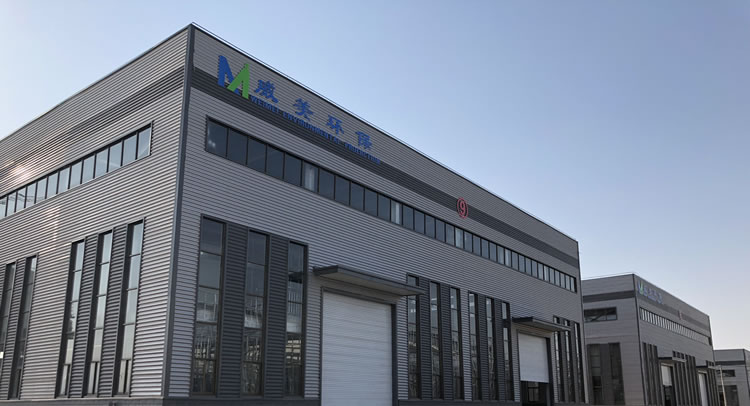
河北威美環(huán)保設備科技有限公司廠區(qū)

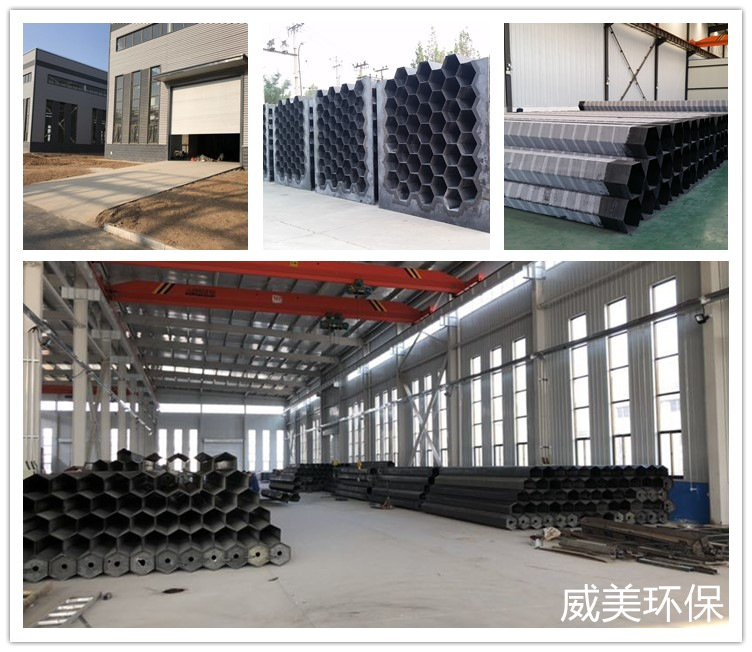
威美濕式靜電除塵器陽極管束、殼體及配件生產現場

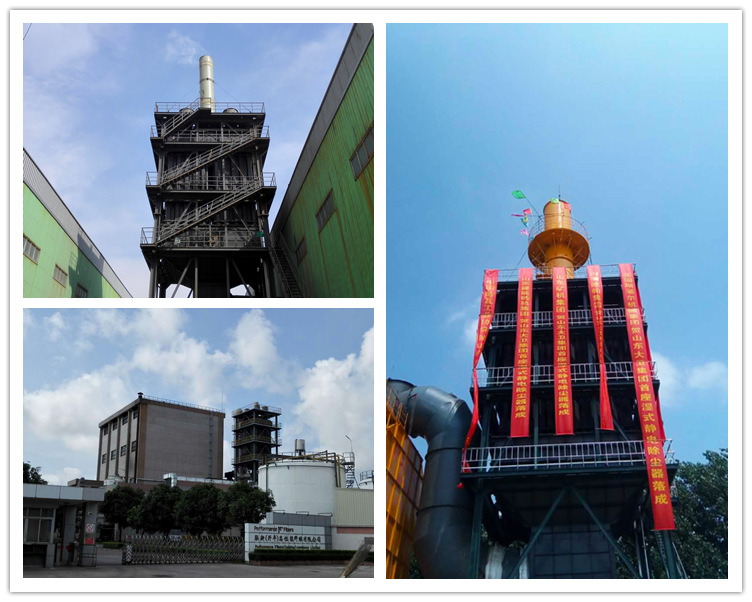
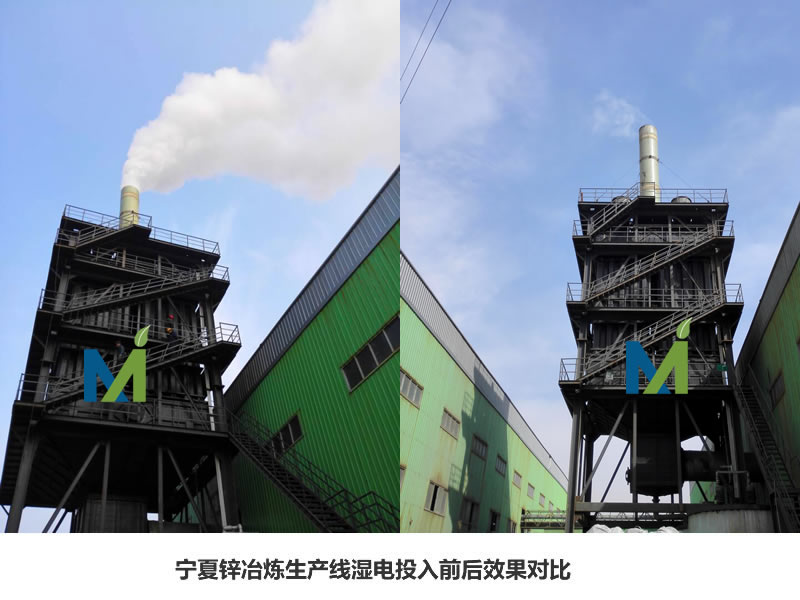
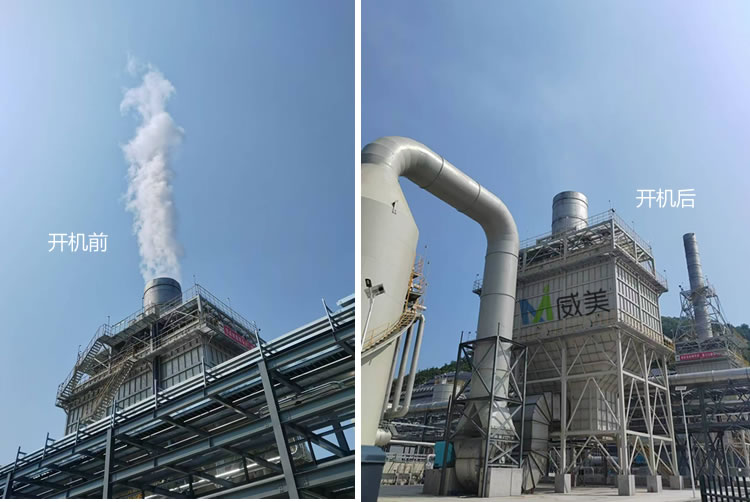
河北威美濕式電除塵器現場運行效果
陽極管按材料分為:導電玻璃鋼陽極管,不銹鋼(304、316L、2205)陽極管;
玻璃鋼陽極管結構形式為內切圓360mm正6邊形,壁厚3mm,長度為:6000mm;
玻璃鋼陽極管介紹:http://www.czja.net.cn/product/product89.html
不銹鋼陽極管結構形式為內切圓360mm正6邊形,壁厚1.5mm,長度為:6000mm;
不銹鋼陽極管:http://www.czja.net.cn/product/product88.html
把多根陽極管組合,形蜂窩狀沉淀電極。組裝并加強后,作為一個整體,與上下花板連接,陽極管制作嚴格按國家相關以及行業(yè)標準要求執(zhí)行,合格沉淀管內表面應平整順滑;
玻璃鋼陽極管內表面含有碳纖維及阻燃劑的耐磨阻燃導電層,壁厚均勻并且管端面和軸線成直角、無毛刺,外觀無任何形式的缺陷,主要導電方式是通過碳纖維粘和水膜導電;。
玻璃鋼陽極管采用新技術導電玻璃鋼,為CFRP導電碳纖維強化復合材料,由玻璃纖維、石墨粉、樹脂材料以及各種添加劑通過模壓、纏繞、手糊成型、以及防紫外線 防老化等工藝制成。內表面平整光潔易沖洗,阻燃以及抗腐蝕性強,可以抗各種酸(硫酸、鹽酸、氫氟酸等)和強堿的腐蝕。其導電性、機械強度、耐溫性能以及抗老化性完全滿足陽極材料的使用要求由陽極管組成的管束構成濕式靜電除塵器的陽極系統。
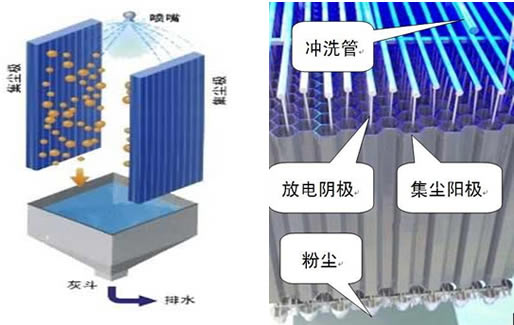
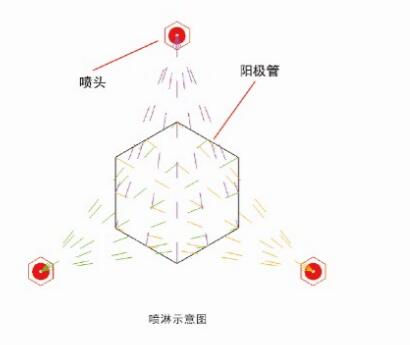
The wet electrostatic precipitator is equipped with an intermittent spray method. Spraying plays a remarkably significant and effective role in improving the efficiency of the wet electrostatic precipitator, as well as maintaining the cleanliness, long-term stability and safe operation of the electric field. It is especially crucial for the safe operation of the wet electrostatic precipitator and the initial commissioning phase. All users should attach great importance to this and strictly follow the relevant requirements. For intermittent spraying, impurity-free weakly acidic circulating water or clean water can be selected.

Schematic Diagram of Spraying for Wet Electrostatic Precipitator
Anode tubes constitute the anode system of wet electrostatic precipitators. The fiberglass reinforced plastic (FRP) anode tubes produced by Hebei Weimei Environmental Protection Co., Ltd. boast the advantages of strong corrosion resistance, excellent electrical conductivity, high efficiency in dust and mist removal, light weight, high strength, and compact structure. The honeycomb structure enables both the inner and outer surfaces of each tube to serve as precipitation surfaces. They also feature good flame retardancy, with the oxygen index of the material reaching over 32. Their service life can be as long as 20 years.

FRP Anode Tubes
Layered Structure and Fabrication of FRP Anode Tubes
The layered structure of the FRP used for conductive FRP anode tubes is, from the inside to the outside, as follows: 1 layer of carbon fiber mat, 2 layers of chopped fiber strip mats, 3 layers of glass fiber cloth with a thickness of 0.4mm, and 1 layer of glass surface mat. Vinyl resin is adopted as the base resin, which contains high-carbon-content (>98%) graphite, flame retardants and other additives. The conductive FRP made of this material has the advantages of high strength, good rigidity, excellent electrical conductivity and flame retardancy.
Characteristics of FRP Anode Tubes

Anode System of Wet Electrostatic Precipitator
During the operation of a wet electrostatic precipitator, damage and cracking of insulating porcelain insulators often occur, which will lead to failure to apply high external voltage or transmit power. What are the causes of this situation?

Replacement of Insulating Porcelain Insulators for Wet Electrostatic Precipitator
Phenomenon: Excessively frequent flashover, accompanied by decreased dust collection efficiency
Causes:
(1) Discharge occurs outside the electric field of the electrostatic demister, such as discharge at the isolating switch, high-voltage cable, damping resistor, etc.
(2) The spark rate of the electric control cabinet is not properly adjusted.
(3) Fluctuations in operating conditions lead to drastic changes in flue gas parameters.
(4) Improper adjustment of the distance between cathode wires and anode plates.
Troubleshooting:
(1) Eliminate the discharge at the faulty parts.
(2) Adjust the spark rate potentiometer and switch the device to automatic mode.
(3) Notify the chief operator to optimize process conditions and improve flue gas parameters.
(4) Adjust the distance between cathode wires and anode plates to the standard range.
Phenomenon:
Low primary and secondary voltage; low secondary current. The primary current is much higher than normal, rises rapidly, and is disproportionate to the secondary current rise.Cause: Turn-to-turn short circuit occurs in the rectifier transformer, or the silicon stack is open-circuited or broken down.
Troubleshooting:
Conduct an open-circuit test. If current is detected on the primary side, it indicates internal component damage, magnetic bias or short circuit in the transformer. Lift the transformer core for maintenance and replace the damaged components.
Phenomenon:
Low primary and secondary voltage; low secondary current. The primary current is extremely high, rises disproportionately to the secondary current, surges and changes abruptly. This may blow the quick fuse, and the transformer emits obvious abnormal noise.
Causes:
(1) Short circuit fault in the low-voltage winding of the rectifier transformer;
(2) Insulation damage to the rectifier transformer core (including through-core bolts), resulting in severe eddy current.
Troubleshooting:
(1) Replace the low-voltage winding;
(2) Re-insulate the transformer core.
Phenomenon:
When primary and secondary currents reach rated values, the primary voltage stays between 280–330V, the secondary voltage ranges from 40–50kV, and no flashover occurs.Cause: Severe leakage at the high-voltage cable and its terminal.
Troubleshooting: Reconstruct the high-voltage cable and its terminal.
Phenomenon:
Frequent frequency conversion of the alkali supply pump, large fluctuation in rotation speed, and drastic changes in the pH value of the circulating water tank.Cause: Clogging of the neutralization pipe in the circulating water system by foreign matters.
Troubleshooting:
Clean the foreign matters inside the anode tubes of the electrostatic demister.
Phenomenon:
Gradual decrease in circulating water flow, accompanied by a progressive drop in dust collection efficiency.
Cause:
Scaling on the pipelines of the electrostatic demister and the circulating water pump.Troubleshooting: Appropriately reduce the pH value of the circulating water tank to 5.2 during operation.
Wet Electrostatic Precipitator (WESP)

目前,國內燃煤電廠鍋爐尾部現有的煙氣治理流程一般是有脫銷、除塵、脫硫組成,煙氣經濕法脫硫后直接進入煙囪。其中脫硝脫除NOX,濕式靜電除塵器脫除煙塵,濕法脫硫脫除SOX。然而脫銷設備工作時,在催化劑的作用下,伴有SO2轉化為SO3的副反應,使煙氣中SO3的含量大大增加。作為脫銷還原劑注入煙氣中的NH3,在實際運行中會產生部分逃逸。而濕法脫硫,通過脫硫漿液的洗滌作用可脫除煙氣中的部分顆粒物;由于存在脫硫漿液霧化夾帶、脫硫產物結晶析出,也會形成PM2.5。
脫硫塔對SO3的去除率很低,進入煙囪的濕煙氣處于酸露點以下,其冷凝液對煙囪造成腐蝕。因為現有濕法脫硫系統去除PM2.5細顆粒物的能力很弱,對汞和SO3氣溶膠等的脫除也有限,從而導致煙囪風向的下游經常出現"酸雨"、"石膏雨"等現象,或是有煙尾的"藍煙"現象。國務院在《重點區(qū)域大氣污染防治"十二五"規(guī)劃》的批復意見中明確指出:到2015年,重點區(qū)域工業(yè)煙粉塵排放量下降10%;可吸入顆粒物(PM10)、細顆粒物(PM2.5)年均濃度分別下降10%、5%。其中,京津冀、長三角、珠三角等13個重點區(qū)域將PM2.5細顆粒物納入考核指標,細顆粒物年均濃度下降6%;上述區(qū)域復合型大氣污染要得到有效控制,酸雨、霧霾和光化學煙霧污染明顯減少。

濕式靜電除塵器在目前的煙氣治理工藝流程中,濕法脫硫之后沒有對脫硫工藝生產的細顆粒物進行控制,還有煙塵、PM2.5、SO3、汞及重金屬等多種污染物直接從煙囪排出,處于一種自由開放狀態(tài)。因此,在濕法脫硫裝置之后,需要再有一道把關設備,濕式電除塵器成為煙氣治理的理想選擇。
濕式靜電除塵器能夠解決濕法脫硫帶來的石膏雨、藍煙問題,緩解下游煙道、煙囪的腐蝕,節(jié)約防腐成本。其性能穩(wěn)定可靠,可有效收集微細顆粒物(PM2.5粉塵、SO3酸霧、氣溶膠)、重金屬(Hg、As、Se、Pb、Cr)、有機污染物(多環(huán)芳烴、二惡英)等,煙塵排放可達10mg/m3甚至5mg/m3以下,實現低排放,解決煙囪排放問題,達到"一勞永逸"的效果。 在目前的煙氣治理工藝流程中,濕法脫硫之后沒有對脫硫工藝生產的細顆粒物進行控制,還有煙塵、PM2.5、SO3、汞及重金屬等多種污染物直接從煙囪排出,處于一種自由開放狀態(tài)。因此,在濕法脫硫裝置之后,需要再有一道把關設備,濕式電除塵器可成為末端處理設備。 由于濕式電除塵器采用水流沖洗,沒有振打裝置,不會產生二次揚塵。根據國外相關文獻,濕式電除塵器對霧酸、有毒重金屬以及PM10,尤其是PM2.5的微細粉塵有良好的脫除效果。所以,可以使用濕式電除塵器來控制電廠的SO3酸霧,同時還具有聯合脫除多種污染物的功能。
濕式電除塵器具有除塵效率高、壓力損失小、操作簡單、能耗小、無運動部件、無二次揚塵、維護費用低、生產停工期短、可工作于煙氣露點溫度以下、由于結構緊湊而可與其他煙氣治理設備相互結合、設計形式多樣化等優(yōu)點。濕式電除塵器的工作原理與干式電除塵器類似,在濕式電除塵器中,水霧使粉塵凝并,并與粉塵在電場中一起荷電,一起被收集,收集到極板上的水霧形成水膜,水膜使極板清灰,保持極板潔凈。同時由于煙氣溫度降低及含濕度增高,粉塵比電阻大幅度下降,因此濕式電除塵器的工作狀態(tài)非常穩(wěn)定。